
What Is Veterinary Surgery and When Is It Necessary?
Veterinary surgery is an important field of veterinary medicine used to diagnose or treat diseases, injuries, and medical conditions in animals through surgical procedures. Depending on the patient’s condition, surgery may be planned in advance or performed as an emergency procedure.
At a well-equipped veterinary center, surgery requires careful assessment of the animal’s health, appropriate surgical and anesthesia equipment, and proper monitoring and post-operative care.
Surgery may become necessary when medication or non-surgical treatment is not sufficient to manage a condition, or when delaying treatment could put the animal’s health or life at risk.
Conditions that may require surgery include certain gastrointestinal obstructions, severe trauma and injuries, some tumors, uterine diseases, and certain reproductive conditions.
The need for surgery should always be determined by a veterinarian after examining the animal and evaluating its individual condition.

Which Veterinary Surgeries Are Considered Emergencies?
Some medical conditions in pets can rapidly become life-threatening and require immediate veterinary assessment and treatment.
Foreign Body in the Stomach or Intestines
Swallowing objects such as toys, fabric, bones, or other non-digestible materials can cause gastrointestinal obstruction.
If the foreign object cannot be safely removed through appropriate non-surgical methods, or if it has caused significant obstruction or damage, surgery may be required.
Gastric Dilatation-Volvulus (GDV)
Gastric dilatation-volvulus (GDV), commonly known as stomach twisting or bloat, is a serious and potentially life-threatening emergency that is more commonly seen in certain dog breeds.
Rapid diagnosis and treatment are extremely important. In many cases, surgical intervention is required to correct the condition and prevent further complications.
Internal Bleeding
Internal bleeding may occur following an accident, severe trauma, organ damage, or certain medical conditions.
Depending on the location and severity of the bleeding, the animal may require emergency stabilization, diagnostic imaging, blood transfusion, or surgery.
Pyometra
Pyometra is a serious uterine infection that can occur in female dogs and cats.
Depending on the patient’s condition, surgical removal of the uterus and ovaries is one of the main treatment options. Delaying treatment can increase the risk of serious complications.
Difficult or High-Risk Labor
In some cases, a pregnant animal may be unable to deliver naturally, or continuing labor may put the mother or unborn puppies or kittens at risk.
After examining the mother and assessing the condition of the fetuses, a veterinarian may recommend a Cesarean section (C-section).
Trauma and Accidents
Pets involved in road accidents, falls, bites, or other serious trauma should be examined by a veterinarian as soon as possible.
Fractures, internal injuries, bleeding, and damage to internal organs may require surgical treatment.
Eye Proptosis
Eye proptosis, or the displacement of the eyeball from its normal position, can occur following trauma. Certain brachycephalic breeds, such as Pugs, may be more susceptible because of the anatomical structure of their eye sockets.
This condition should be treated as a veterinary emergency. Immediate examination can help determine the extent of the injury and the appropriate treatment.
How Is an Emergency Surgery Decision Made?
Emergency surgery is not usually determined by a single symptom or an initial diagnosis. The veterinarian first evaluates the animal’s overall condition and, when necessary, takes steps to stabilize the patient.
The assessment process may include the following:
1. Initial Examination
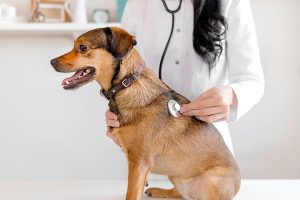
The veterinarian evaluates the animal’s general condition, vital signs, level of consciousness, pain, and other clinical signs.
2. Patient Stabilization
If the animal is experiencing shock, dehydration, severe bleeding, respiratory problems, or another critical condition, stabilization is usually prioritized before surgery whenever possible.
3. Diagnostic Testing
Depending on the patient’s condition, blood tests, laboratory examinations, or other diagnostic tests may be recommended.
4. Diagnostic Imaging
X-rays, ultrasound, and other imaging techniques may be used to identify internal injuries, obstruction, bleeding, or other conditions that may require surgery.
5. Surgical Assessment
If surgery is indicated, the patient is evaluated by the veterinary surgeon. The surgical approach is then selected according to the diagnosis and the animal’s overall condition.
6. Post-Operative Care
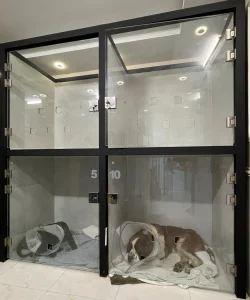
After surgery, each animal requires an appropriate recovery plan. Depending on the procedure, this may include medication, pain management, nutritional support, activity restriction, wound care, and follow-up examinations.
When Is Surgery Necessary?
Surgery may be recommended when a medical condition cannot be adequately managed with medication or other non-surgical treatments, or when delaying surgery could significantly threaten the animal’s health.
In emergency situations, the immediate priority is often to stabilize the patient and protect vital functions. Once the animal is sufficiently stable, surgery may be performed when it is considered necessary.
How Does a Veterinary Surgeon Decide Whether Surgery Is Appropriate?
Before surgery, the veterinarian evaluates the animal’s overall health and surgical risk.
The decision may be based on:
- Clinical examination
- Medical history
- Blood test results
- Diagnostic imaging
- The severity of the disease or injury
- The animal’s age and general condition
- Existing medical conditions
- Anesthesia risk
- The potential benefits and risks of surgery
In emergency cases, the veterinary team may need to make decisions quickly based on the severity of the condition and the risks associated with delaying treatment.
What Factors Can Increase the Risk of Veterinary Surgery?
Every surgical procedure carries some degree of risk, and the level of risk varies between animals.
Factors that may increase surgical or anesthesia risk include:
- Advanced age
- Poor general health
- Underlying medical conditions
- Anemia or blood-clotting disorders
- Heart or respiratory disease
- Dehydration or shock
- Severe infection
- The type and duration of surgery
- Abnormal pre-operative laboratory results
- Abnormal findings on ultrasound or X-rays
For this reason, appropriate pre-operative assessment is an important part of veterinary surgery and can help the veterinary team identify potential risks before anesthesia and surgery.
The Importance of Pre- and Post-Operative Care
The success of veterinary surgery does not depend solely on the surgical procedure itself. Proper preparation before surgery and appropriate care during recovery are equally important.
Depending on the procedure, pre- and post-operative care may include:
- Pre-anesthetic blood tests
- Cardiac or respiratory assessment when necessary
- Following fasting instructions before anesthesia
- Pain management
- Taking prescribed medications
- Monitoring and caring for the surgical wound
- Restricting physical activity during recovery
- Follow-up examinations
Pet owners should carefully follow the veterinarian’s instructions after surgery.
If you notice severe lethargy, persistent vomiting, breathing difficulties, significant bleeding, opening of the surgical wound, or any other unusual change in your pet’s condition, contact your veterinary team as soon as possible.
Veterinary Surgery at Farvardin Pet Clinic
At Farvardin Pet Clinic, decisions regarding veterinary surgery are based on the animal’s clinical examination, medical condition, and the diagnostic tests required for each individual case.
The purpose of pre-operative assessment is to identify the underlying problem, evaluate the patient’s overall health, identify potential risks, and determine the most appropriate treatment approach.
When surgery is necessary, the treatment process can include patient assessment, preparation for anesthesia and surgery, the surgical procedure itself, and appropriate post-operative care based on the animal’s specific needs.
If your pet has experienced trauma, severe pain, persistent vomiting, signs of gastrointestinal obstruction, difficult labor, or other concerning symptoms, it is important not to delay veterinary assessment.
Conclusion
Veterinary surgery is an important treatment option for many diseases and injuries affecting companion animals.
While some procedures can be planned in advance, conditions such as severe gastrointestinal obstruction, GDV, certain cases of pyometra, serious trauma, and internal bleeding may require urgent veterinary attention.
Specialized & Painless Anesthesia
بیهوشی ایمن با حداقل دارو — ترکیبی از بیدردی و بیحسی موضعی که داروی کمتری به بدن بیمار میرسد، ریکاوری سریعتری دارد و برای بیمارانی با ریسک بالا (مشکلات قلبی، تنفسی، سالمند) بسیار ایمنتر است. مانیتورینگ کامل حیاتی در طول عمل.Features of this service
- Orthopedic Surgery (fractures, pins & plates)
- Soft Tissue Surgery (cesarean, uterine obstruction)
- Tumor Removal & Lung Lobectomy
- Skin, Eye, Tendon & Ligament Surgery
- Urinary & Gastrointestinal Surgery
- Minimally Invasive Techniques