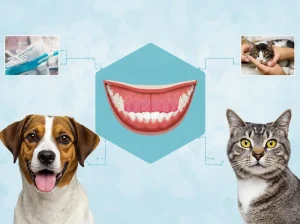

As pets grow older, their physical, nutritional, and behavioral needs gradually change. Senior dogs and cats may become less active and may be more likely to develop conditions such as joint problems, dental disease, kidney disease, heart conditions, changes in body weight, and age-related cognitive changes.
For this reason, senior pet care requires more attention, regular veterinary checkups, appropriate nutrition, and adjustments to the pet’s daily lifestyle.
Getting older does not mean that your pet can no longer enjoy an active and comfortable life. With proper care and regular veterinary attention, many senior pets can remain healthy and enjoy a good quality of life for many years.
When Is a Pet Considered a Senior?
There is no single age at which every dog or cat becomes a senior. The aging process depends on factors such as species, breed, body size, genetics, lifestyle, and overall health.
Large-breed dogs generally reach their senior years earlier than smaller dogs, while cats and small-breed dogs may remain healthy and active for longer.
Instead of focusing only on age, veterinarians consider the animal’s overall physical condition, medical history, and changes in behavior when assessing the needs of a senior pet.
Why Is Senior Pet Care Important?
As pets age, their ability to recover from illness or injury may decrease. Some chronic conditions can also develop gradually without producing obvious symptoms during the early stages.
Regular veterinary examinations can help identify potential health problems earlier and allow treatment or management to begin sooner.
Common health concerns in senior pets include:
- Arthritis and joint disease
- Heart disease
- Kidney disease
- Liver problems
- Dental and periodontal disease
- Obesity or unexplained weight loss
- Diabetes
- Vision and hearing changes
- Urinary tract problems
- Age-related behavioral or cognitive changes
Early detection does not necessarily prevent every disease, but it can help veterinarians manage many conditions more effectively and maintain a better quality of life.
How Should Senior Pets Be Fed?
A pet’s nutritional needs can change with age. Activity level, body weight, muscle condition, and underlying medical conditions should all be considered when selecting an appropriate diet.
Some senior pets become less active and may gain weight, while others may lose weight because of reduced appetite, dental problems, or underlying disease.
A senior pet’s diet should ideally be selected with guidance from a veterinarian based on the animal’s individual needs.
Important considerations may include:
- Maintaining a healthy body weight
- Providing appropriate levels of essential nutrients
- Ensuring constant access to fresh water
- Considering dental health and the ability to chew food
- Using therapeutic diets when medically appropriate
- Avoiding sudden changes in diet
Pets with kidney disease, diabetes, heart disease, or other chronic conditions may require a specially formulated diet.
Dental Care for Senior Dogs and Cats
Dental health becomes particularly important as pets get older. Dental plaque, tartar, gum inflammation, periodontal disease, and painful teeth can affect a pet’s comfort and ability to eat.
Signs that may indicate a dental problem include:
- Persistent bad breath
- Bleeding or swollen gums
- Difficulty chewing
- Loose or missing teeth
- Reduced appetite
- Dropping food while eating
- Pawing at the mouth
Regular dental examinations can help identify oral health problems before they become more serious.
Exercise and Physical Activity for Senior Pets
Growing older does not mean that pets should stop being active.
Appropriate physical activity can help maintain muscle strength, mobility, healthy body weight, and overall well-being.
However, exercise should be adapted to the individual pet’s physical condition.
For example, a senior dog with arthritis may benefit from shorter and more frequent walks rather than long or intense exercise sessions.
If your pet develops limping, obvious pain, severe fatigue, or reluctance to move, veterinary evaluation is recommended.
How Can You Make Your Home Safer for a Senior Pet?
Older pets may experience reduced mobility, vision or hearing changes, and balance problems. Making a few adjustments around the home can make everyday life safer and more comfortable.
Helpful measures may include:
- Providing a soft and comfortable bed
- Using non-slip surfaces where necessary
- Keeping food and water bowls easily accessible
- Providing ramps for pets that have difficulty climbing
- Limiting unnecessary access to stairs
- Keeping furniture and household objects in familiar locations
- Making litter boxes easily accessible for senior cats
These simple changes can reduce stress and the risk of falls or injuries.
What Warning Signs Should You Watch for in Senior Pets?
Not every change in an older pet should simply be considered a normal part of aging.
You should contact your veterinarian if you notice:
- Significant weight loss or weight gain
- Reduced appetite or a sudden change in eating habits
- Increased thirst or urination
- Repeated vomiting or diarrhea
- Coughing or difficulty breathing
- Unusual or persistent lethargy
- Limping or difficulty walking
- Sudden behavioral changes
- Increased anxiety or confusion
- Disorientation or wandering
- Changes in vision or hearing
- Changes in urination or bowel habits
- Difficulty chewing
- Persistent bad breath
Some of these symptoms may be signs of treatable medical conditions and should not automatically be attributed to old age.
Regular Veterinary Checkups for Senior Pets
One of the most important parts of senior pet care is regular veterinary examination.
During a senior pet checkup, the veterinarian may evaluate the animal’s body weight, body condition, teeth and gums, heart, lungs, joints, mobility, and overall health.
Depending on the pet’s age, breed, medical history, and symptoms, the veterinarian may recommend additional diagnostic tests such as:
- Blood tests
- Urinalysis
- Kidney and liver function tests
- Cardiac evaluation
- Blood pressure measurement when appropriate
- Diagnostic imaging when indicated
- Dental examination
The appropriate frequency and type of testing should always be determined according to the individual pet’s health needs.
Caring for Senior Pets with Chronic Conditions
Some older pets may develop chronic diseases such as kidney disease, heart disease, diabetes, or arthritis.
In these situations, treatment is often focused not only on the disease itself but also on controlling symptoms and maintaining the pet’s quality of life.
Depending on the condition, management may include:
- Regular veterinary examinations
- Prescribed medications
- Therapeutic nutrition
- Weight management
- Appropriate physical activity
- Monitoring changes in symptoms
Never change the dosage or schedule of a prescribed medication without consulting your veterinarian.
The Role of Pet Owners in Senior Pet Care
Pet owners spend the most time with their animals and are often the first people to notice subtle changes.
Keeping track of your pet’s:
- Weight
- Appetite
- Water intake
- Activity level
- Urination and bowel movements
- Sleep patterns
- Behavior
can provide valuable information for your veterinarian.
Even a small change, such as sleeping more than usual, losing interest in play, or drinking more water, may be worth discussing with a veterinary professional.
Senior Pet Care at Farvardin Pet Clinic
At Farvardin Pet Clinic, the health and well-being of pets at different stages of life are an important part of veterinary care.
Senior pets may require more individualized assessment because age-related changes can affect different body systems and may occur gradually.
Regular veterinary examinations can help identify potential health problems early and support better decisions regarding nutrition, weight management, exercise, dental health, and treatment.
If you have noticed changes in your senior pet’s appetite, weight, behavior, mobility, or daily habits, a veterinary examination can help determine whether these changes are simply age-related or may indicate an underlying medical condition.
Conclusion
Senior pet care involves much more than changing an animal’s diet. Regular veterinary checkups, appropriate nutrition, healthy weight management, dental care, suitable exercise, a safe home environment, and close attention to behavioral and physical changes all play an important role in maintaining an older pet’s quality of life.
Aging is a natural part of every pet’s life, but many age-related health problems can be managed more effectively when they are identified early.
If your dog or cat has entered its senior years, contact Farvardin Pet Clinic to discuss an appropriate health and preventive care plan based on your pet’s individual needs.
How old is your pet, and what changes have you noticed since they were younger?